 An official website of the United States government.
 Official websites use.gov
A .gov website belongs to an official government organization in the United States.
Official websites use.gov
A .gov website belongs to an official government organization in the United States.
 Secure .gov websites use HTTPS
A lock or https:// means you’ve safely connected to the .gov website. Share sensitive information only on official, secure websites.
Secure .gov websites use HTTPS
A lock or https:// means you’ve safely connected to the .gov website. Share sensitive information only on official, secure websites.

Full Title: Restoration of Gulf of Mexico Islands and Beaches for Wildlife: Reducing the Uncertainty
Stakeholder engagement will inform the development of a conceptual model to help environmental managers forecast how Gulf of Mexico habitats and wildlife may respond to various island and beach restoration management actions.
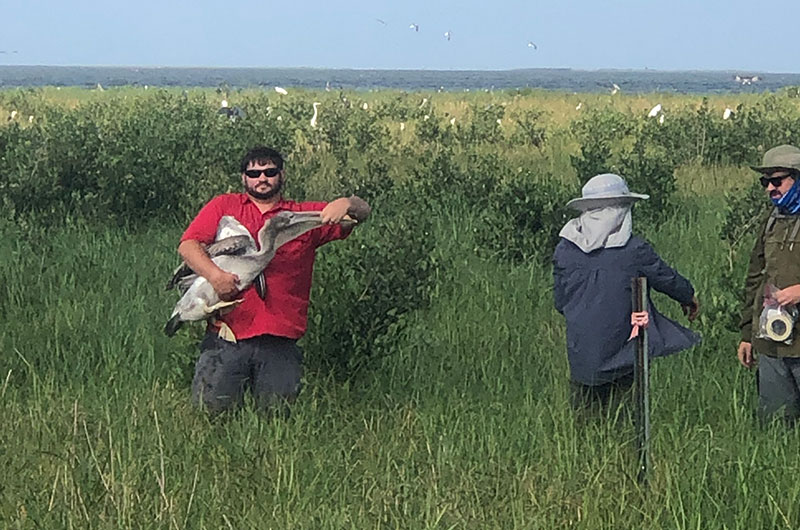
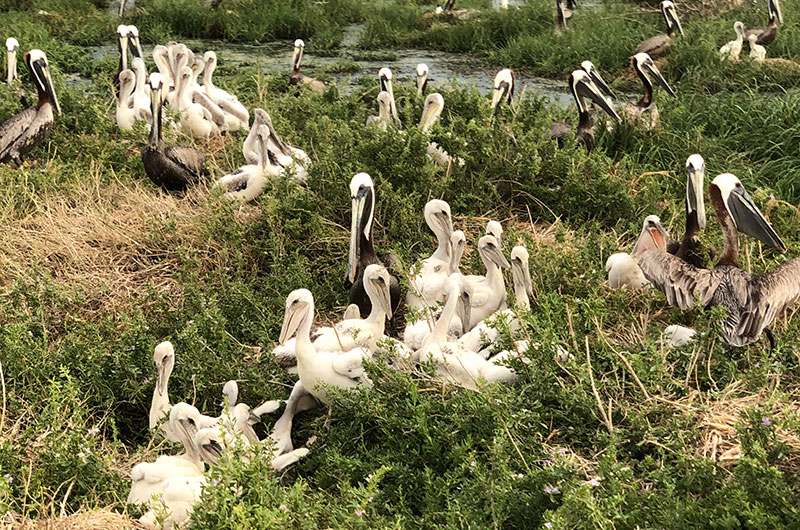
Lead Investigator: James Nelson, University of Louisiana Lafayette, nelson@louisiana.edu
Natural Resource Manager: Randy Wilson, U.S. Fish and Wildlife Service
Project Team: Paul Leberg (University of Louisiana Lafayette), Katie Freer (Louisiana Coastal Protection and Restoration Authority), Patty Kelly (U.S. Fish and Wildlife Service), Jacqueline Wittmann (U.S. Army Corps of Engineers), Evan Adams (Biodiversity Research Institute), and Theodore Zenzal (U.S. Geological Survey)
Federal Program Officer/Point of Contact: Frank Parker (frank.parker@noaa.gov)
Award Amount: $102,694
Award Period: This project began in September 2021 and will end in August 2022.
Why it matters: In the wake of the Gulf of Mexico Deepwater Horizon oil spill, many island and beach restoration projects were created to support impacted natural resources. However, it’s not yet known how the habitats and wildlife affected by the oil spill might respond to these efforts. This project will generate a conceptual model to help managers better understand how natural resources might respond to various island and beach restoration management actions.
What the team is doing: Throughout the project period, the team will produce a series of facilitated virtual workshops with stakeholders to define key uncertainties related to island creation and beach restoration as well as ecological processes relevant to the project. A conceptual model will be developed from the discussions of these workshops.
Expected outcome: A conceptual model describing the uncertainties related to beach restoration and island creation projects’ impacts on natural resources will be shared with natural resource partners through a collection of summary reports and seminars.